Overview
MARA is one of the world's largest publicly traded bitcoin mining companies, operating 19 data centers and mining sites across four continents. As modern computational demands continue to rise, energy and thermal management is critical to performance, reliability, and uptime.
To meet these demands, I designed the enclosures and control interfaces for two industrial-scale immersion cooling systems, while also helping shape the company's rebranding.
The tanks
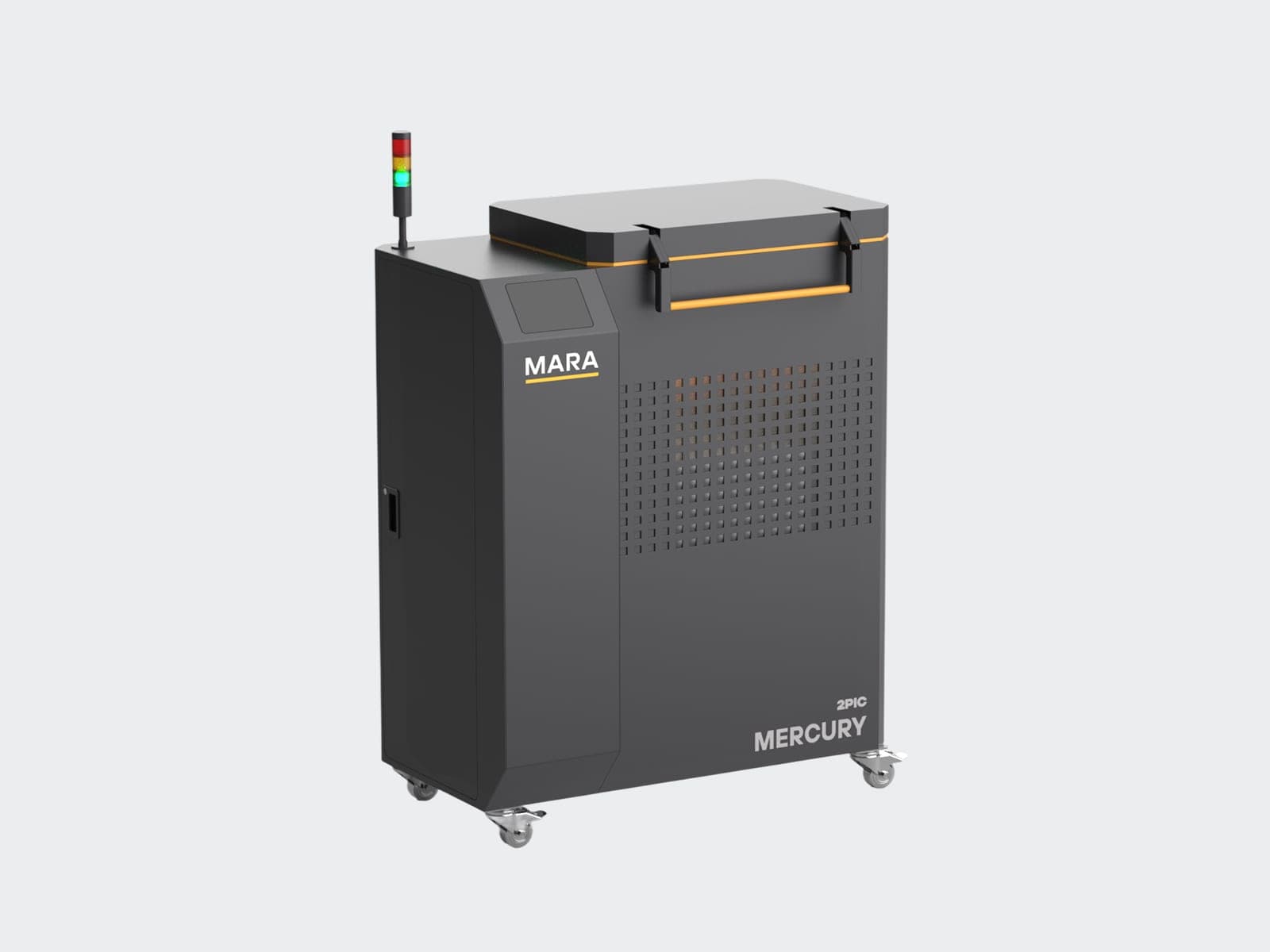
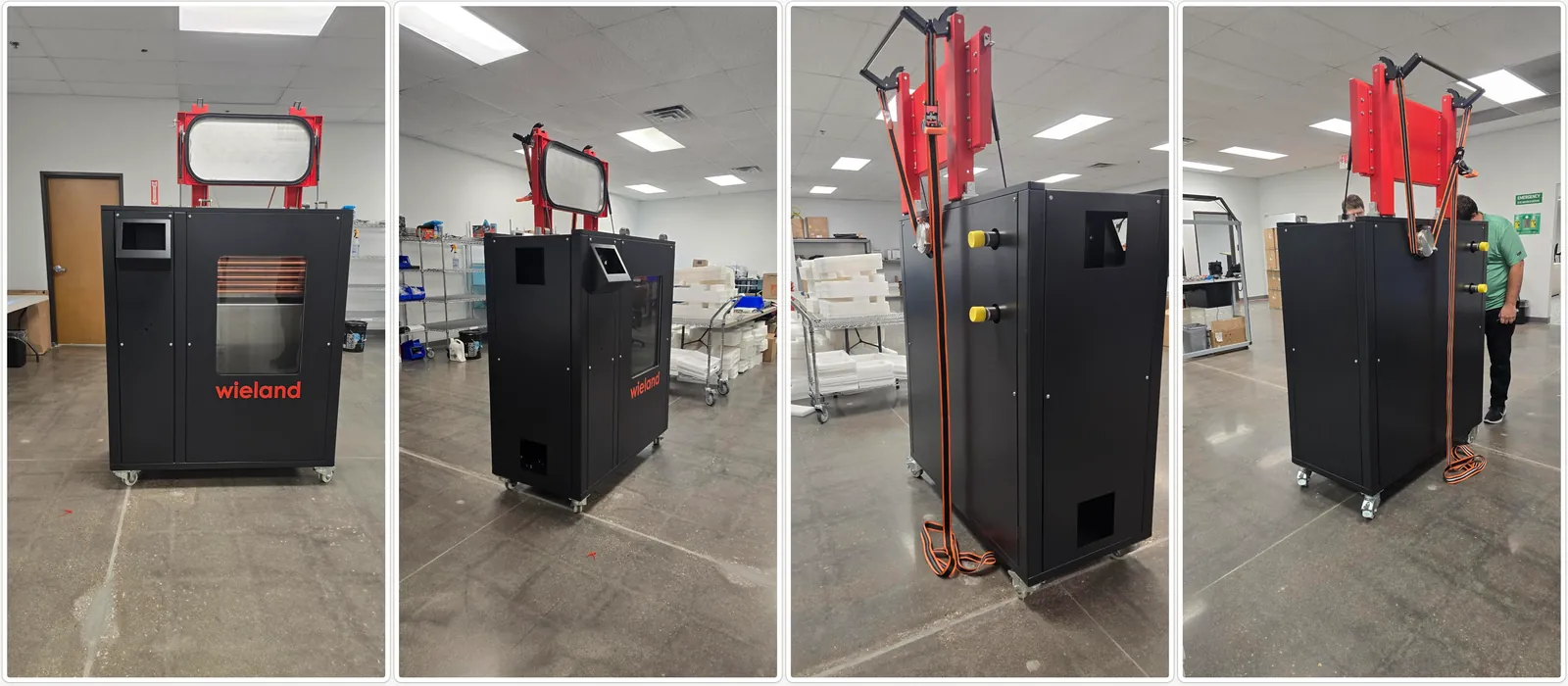
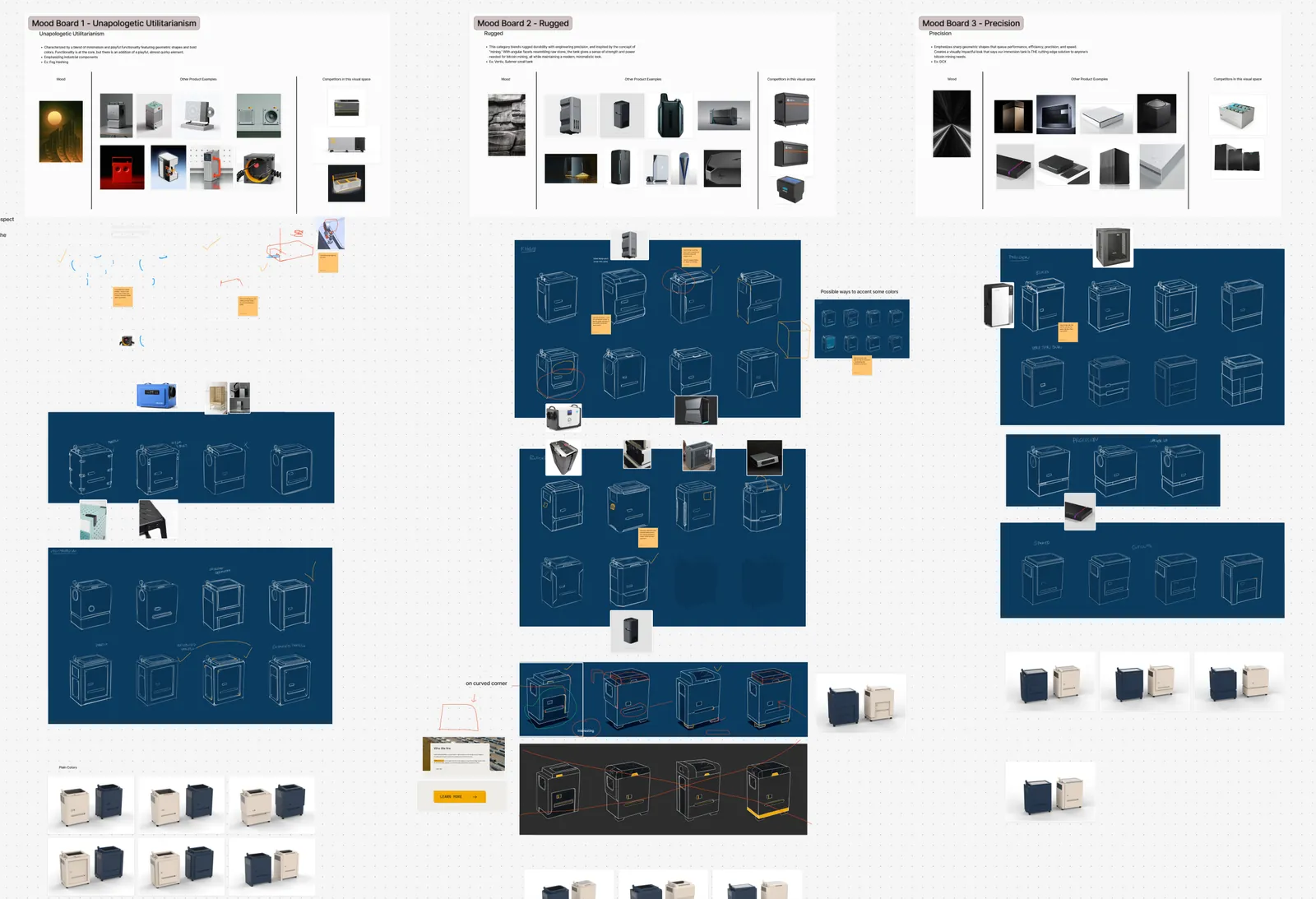
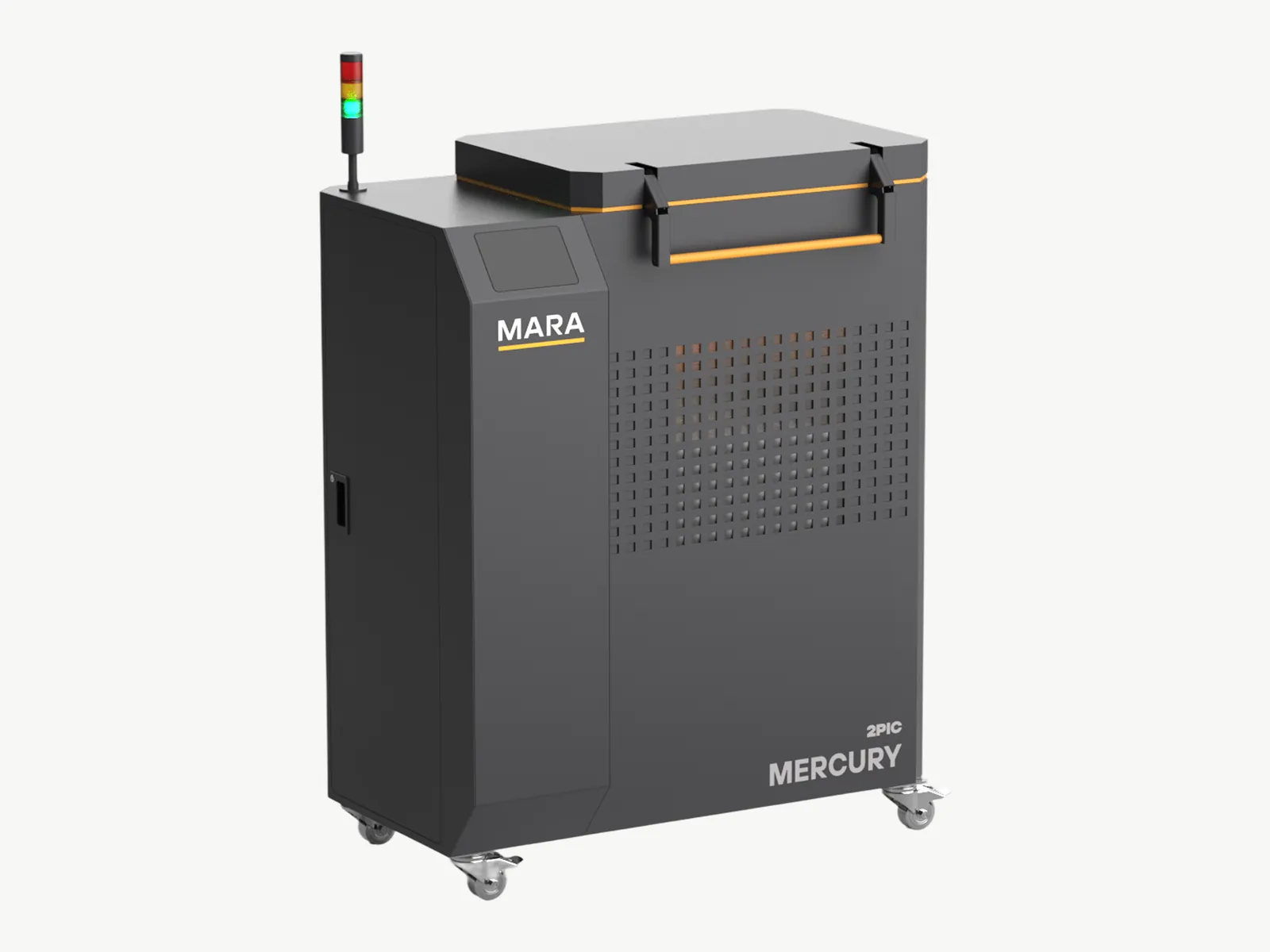
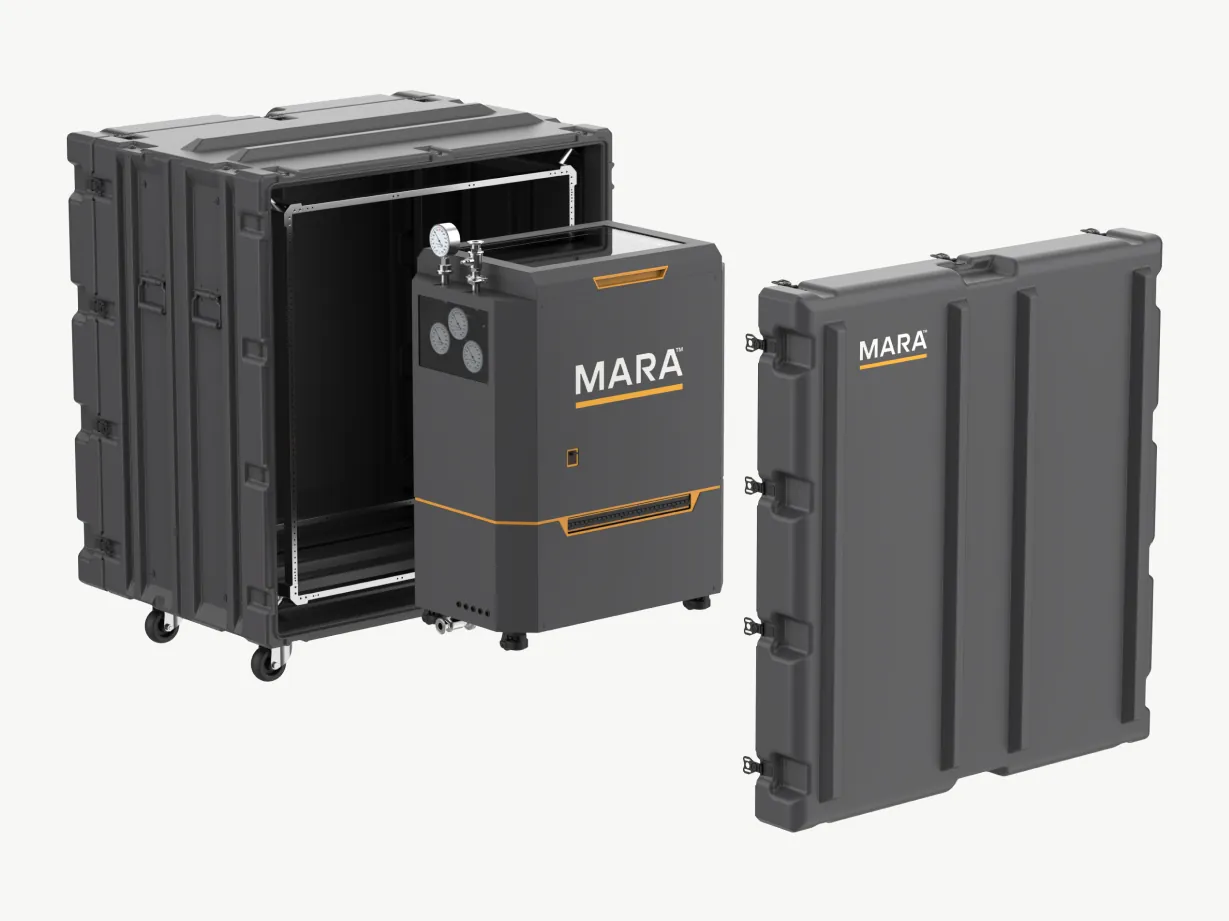
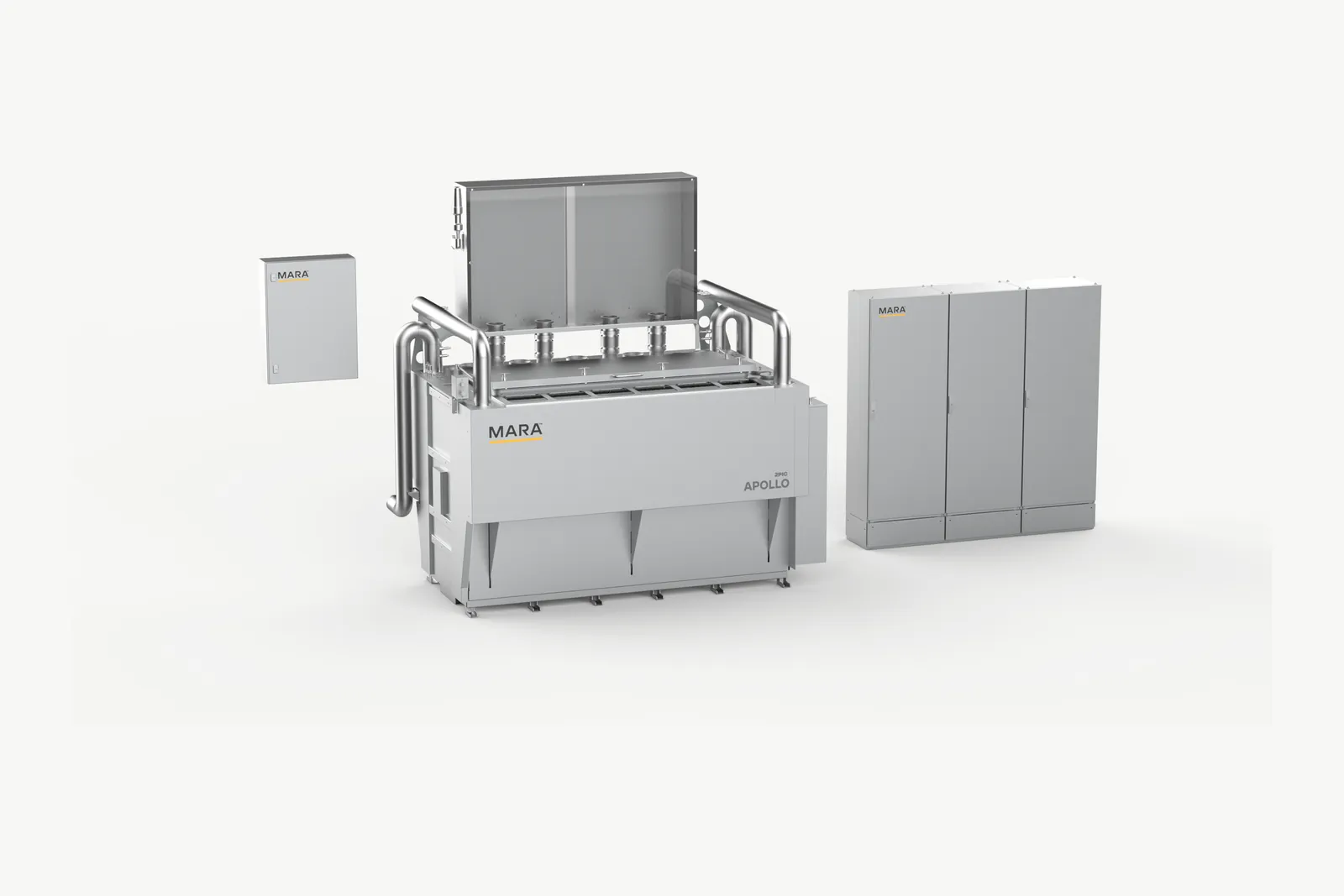
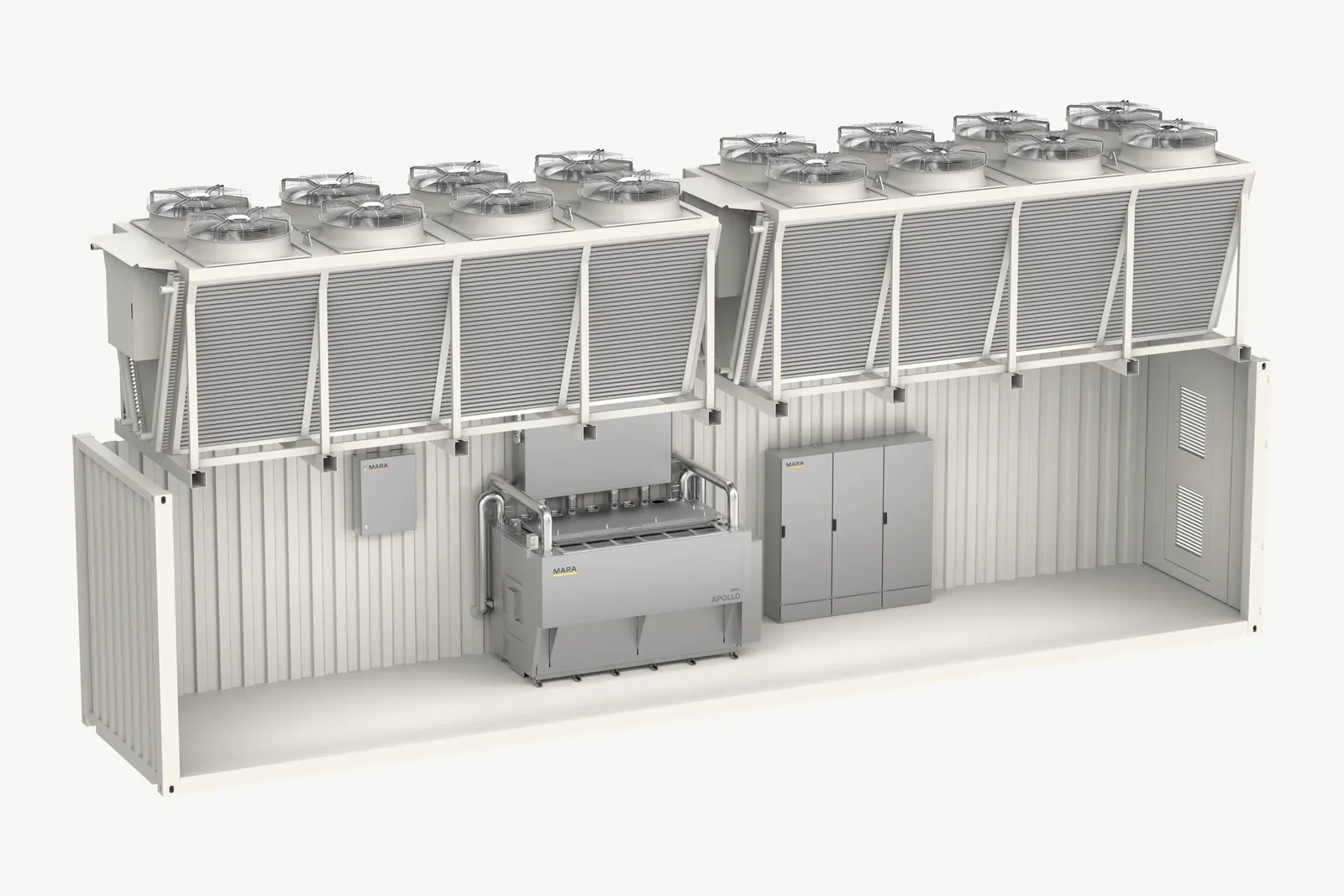
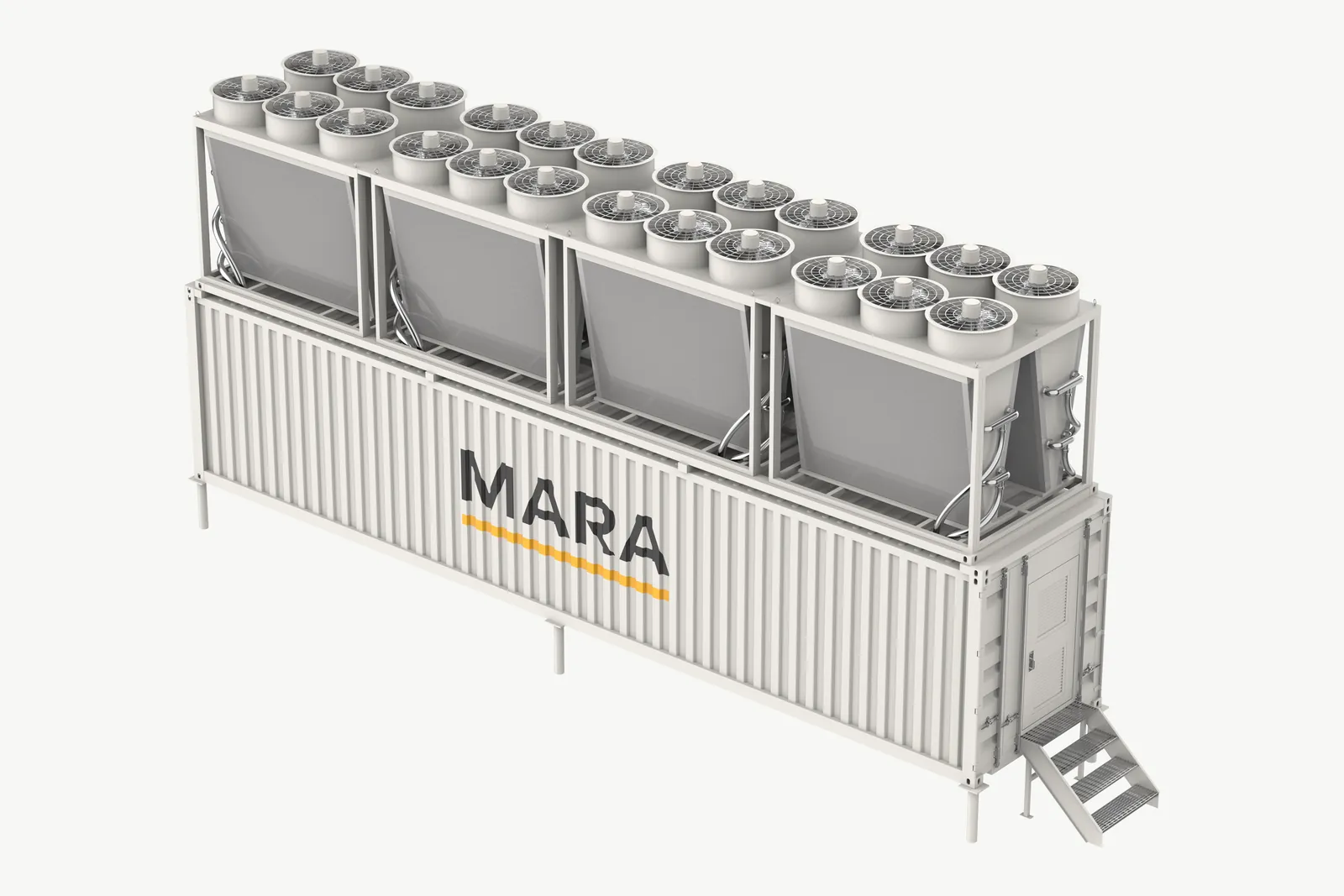
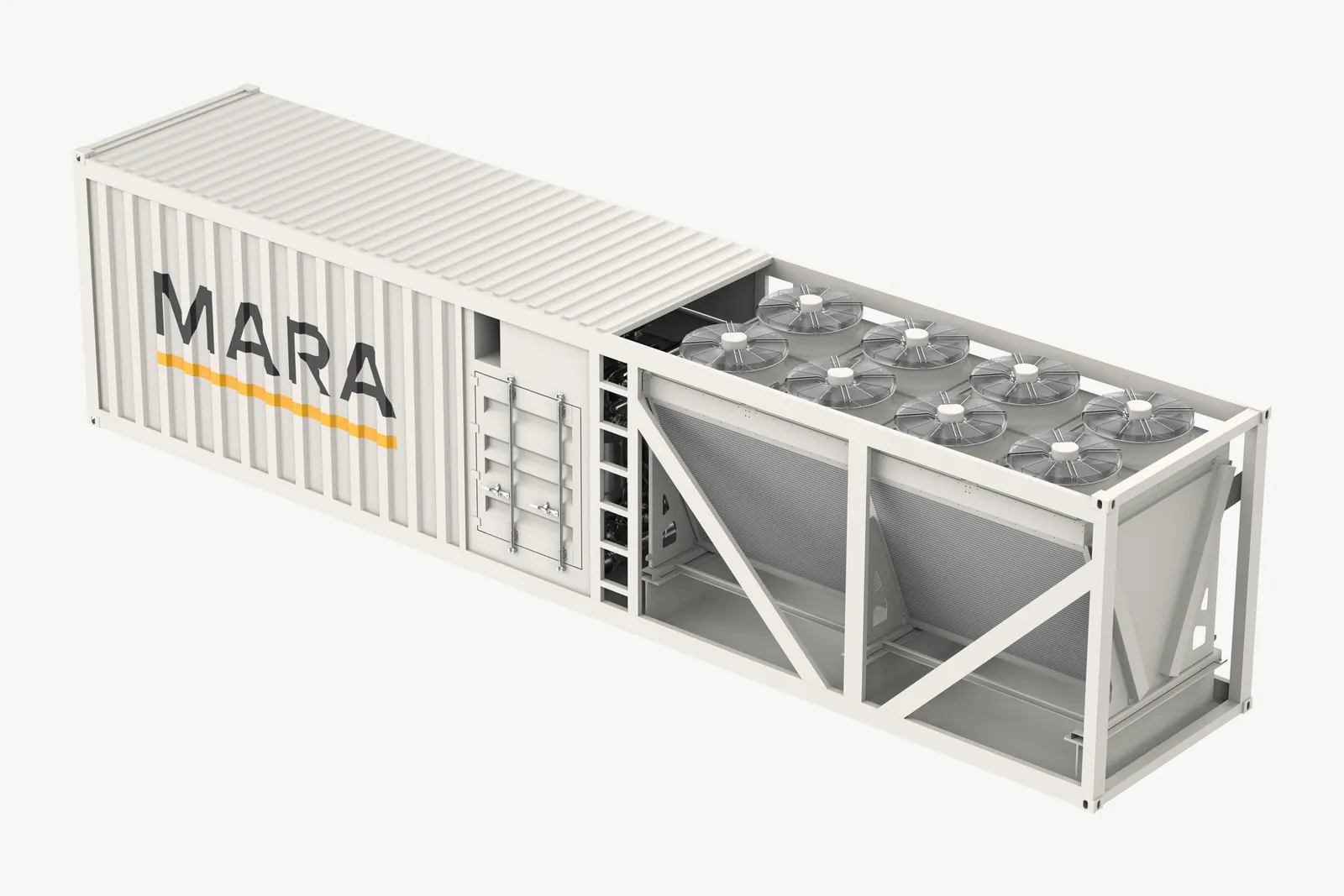
Mercury and Apollo were immersion cooling tanks for high performance compute. I spent most of my first year on Mercury. The core architecture was set by engineering before I arrived, but I owned the enclosure. This included form, CMF, and manufacturing approach, working directly with the engineering team.
I did multiple site visits to learn how the machine worked and how it was meant to be serviced. The prototypes eventually ran, but the program was discontinued before fabrication, so the productized machine never got built.
The interface
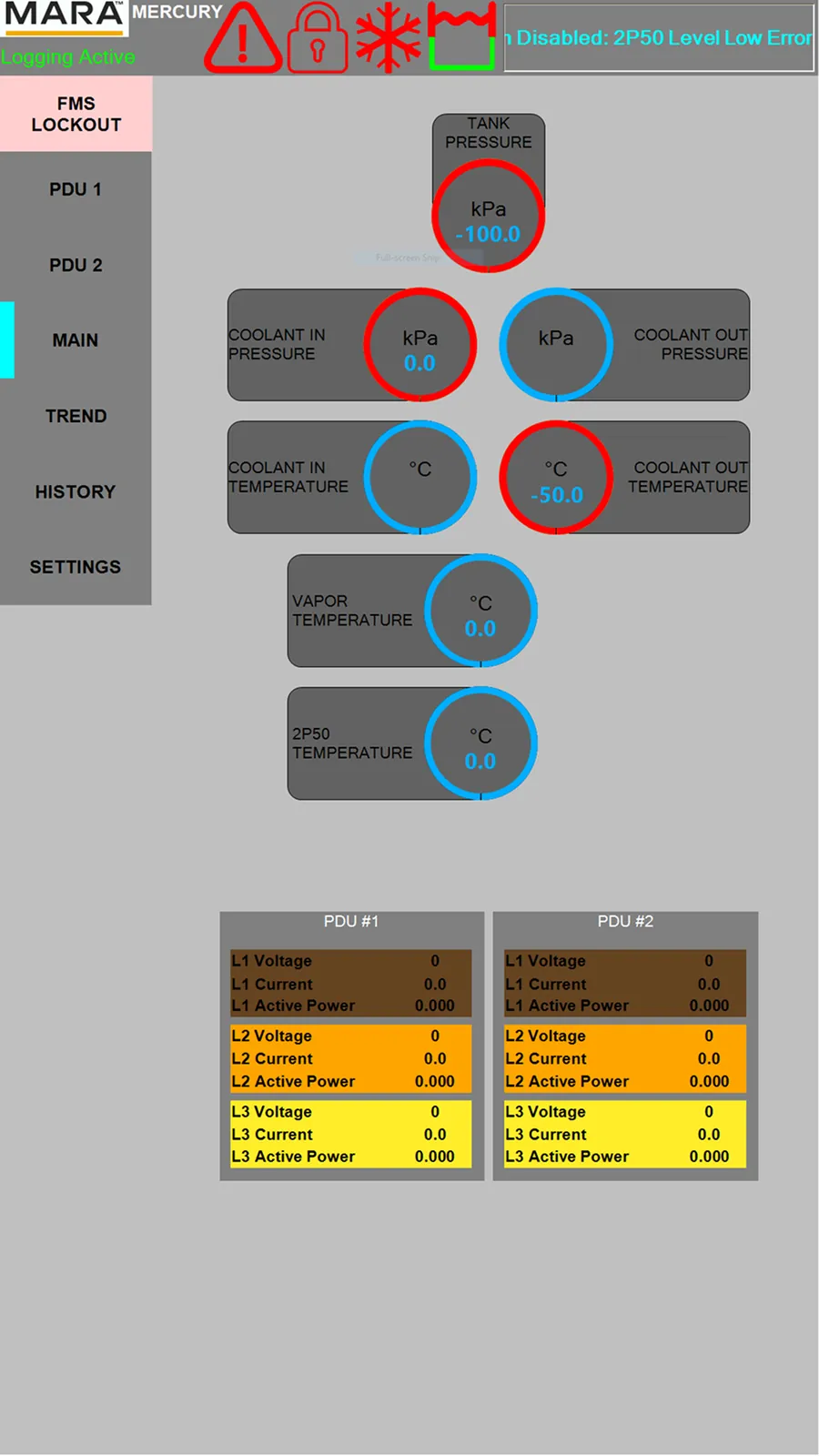
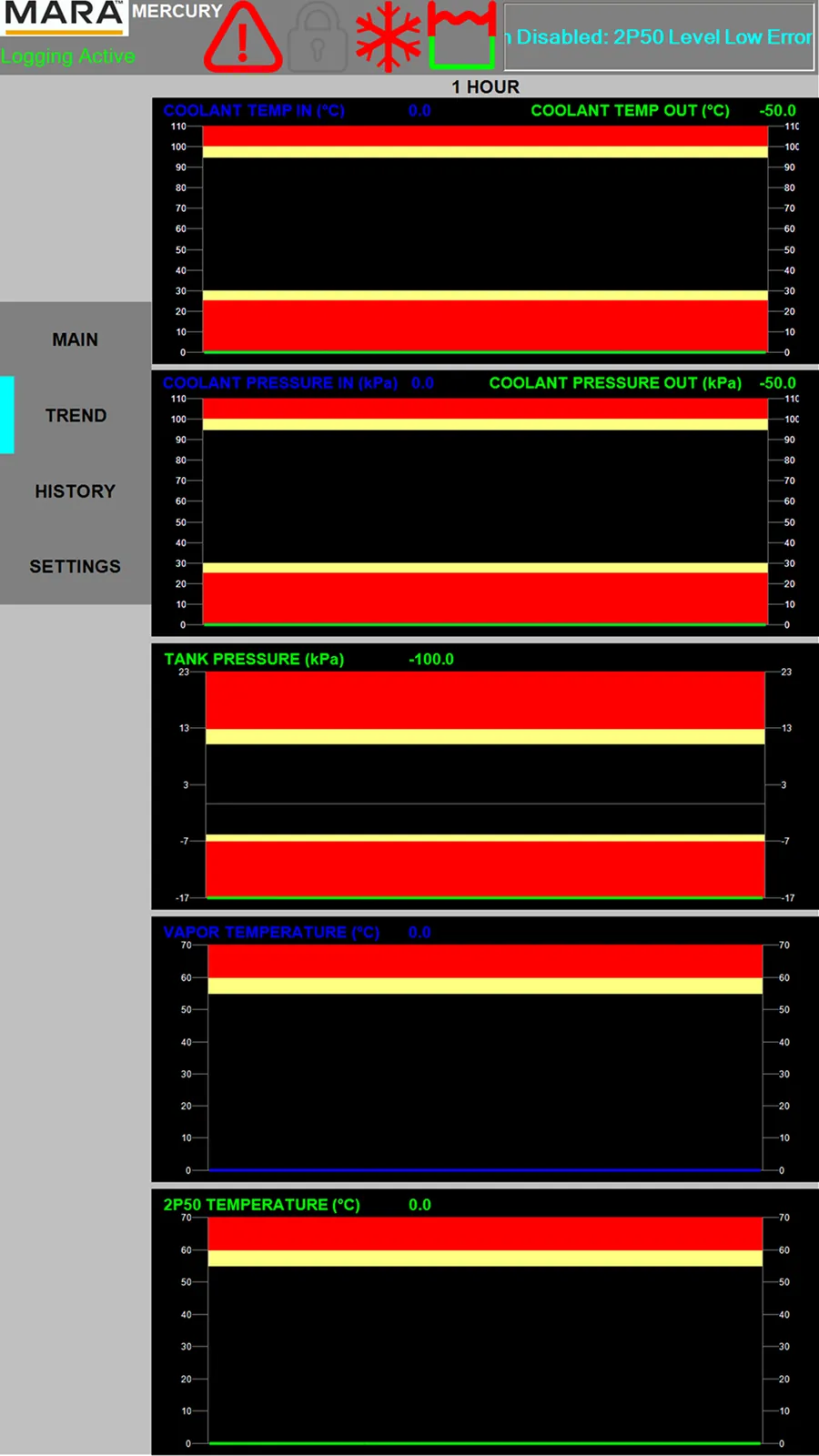
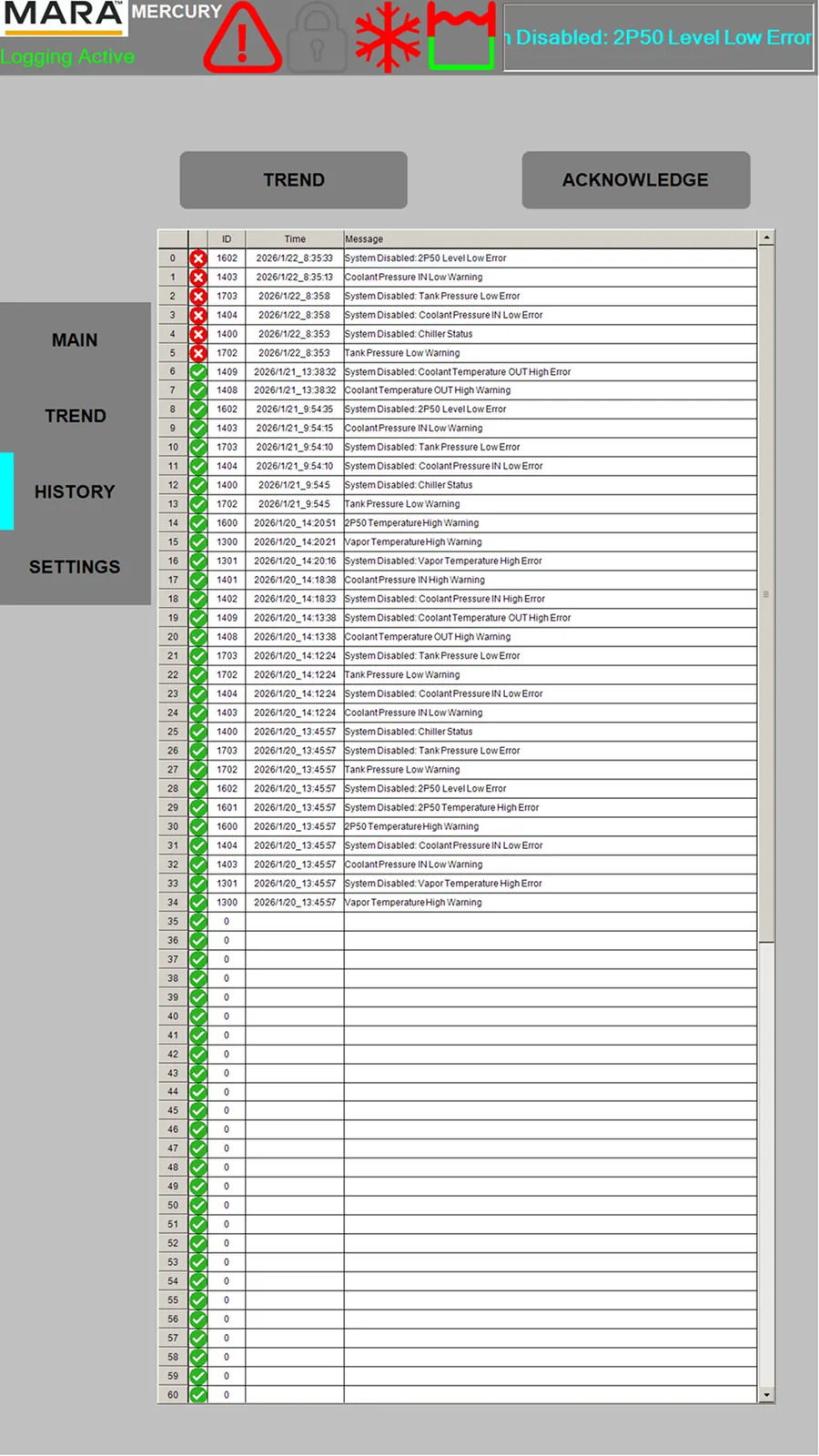
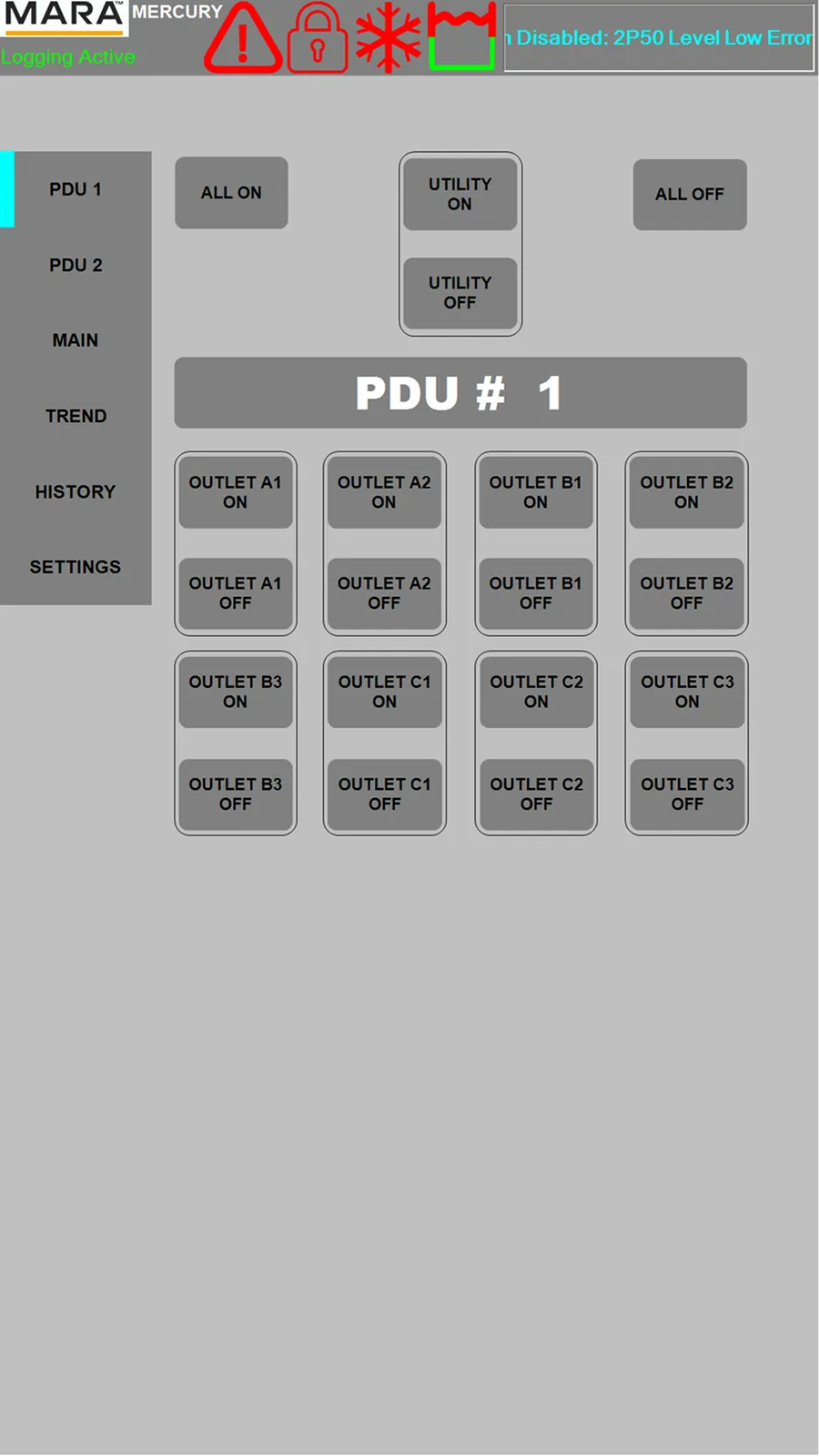
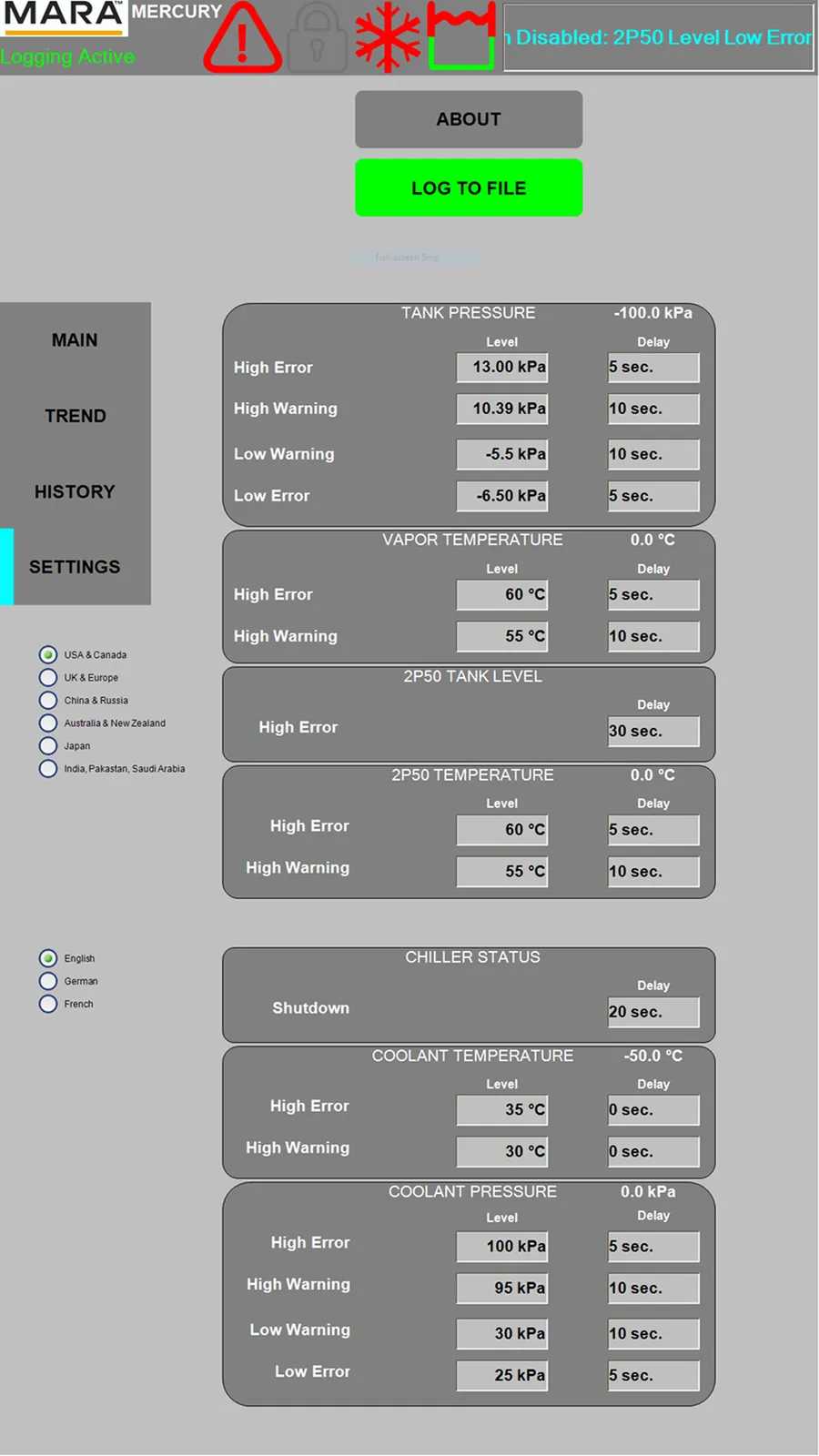
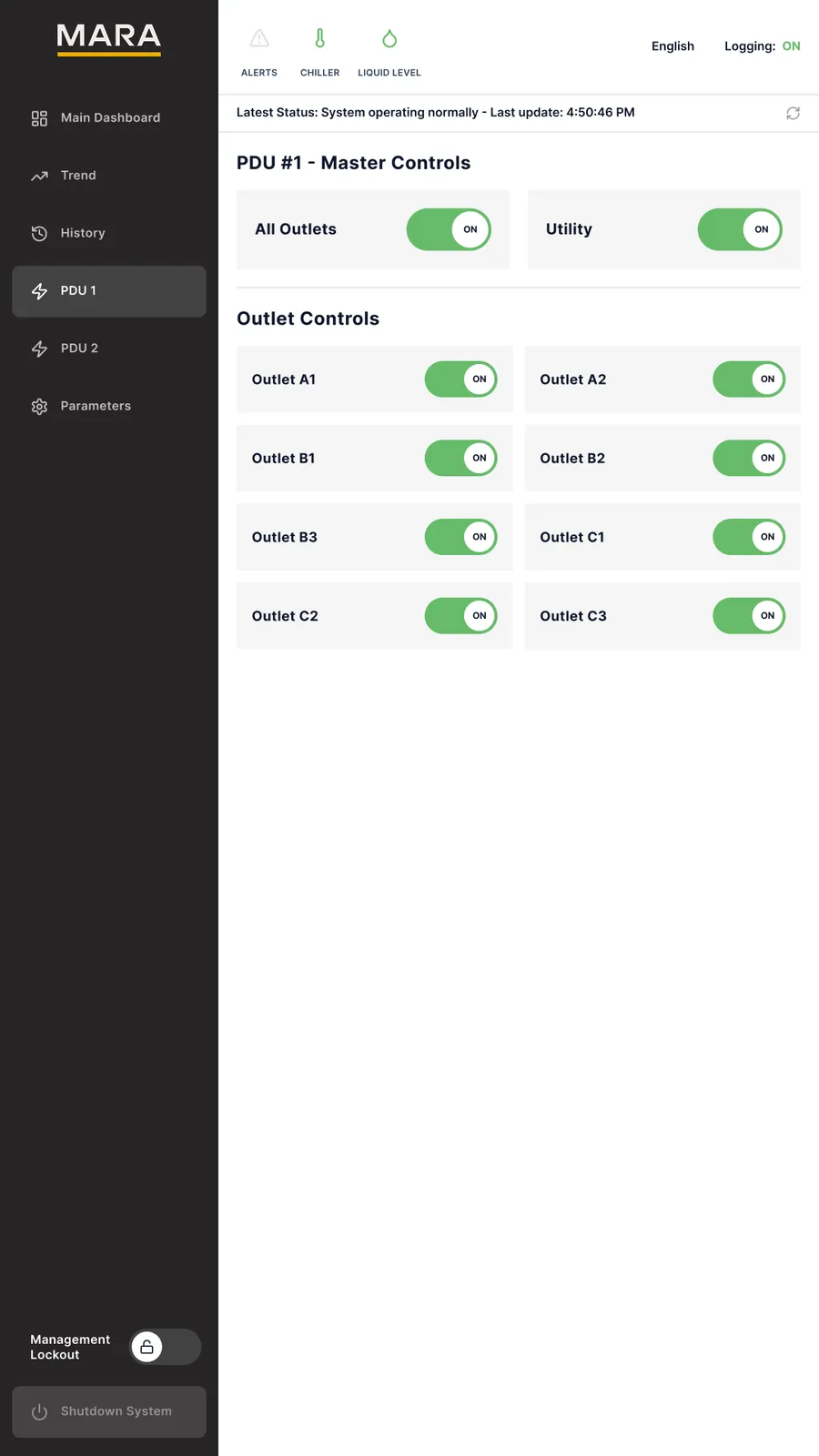
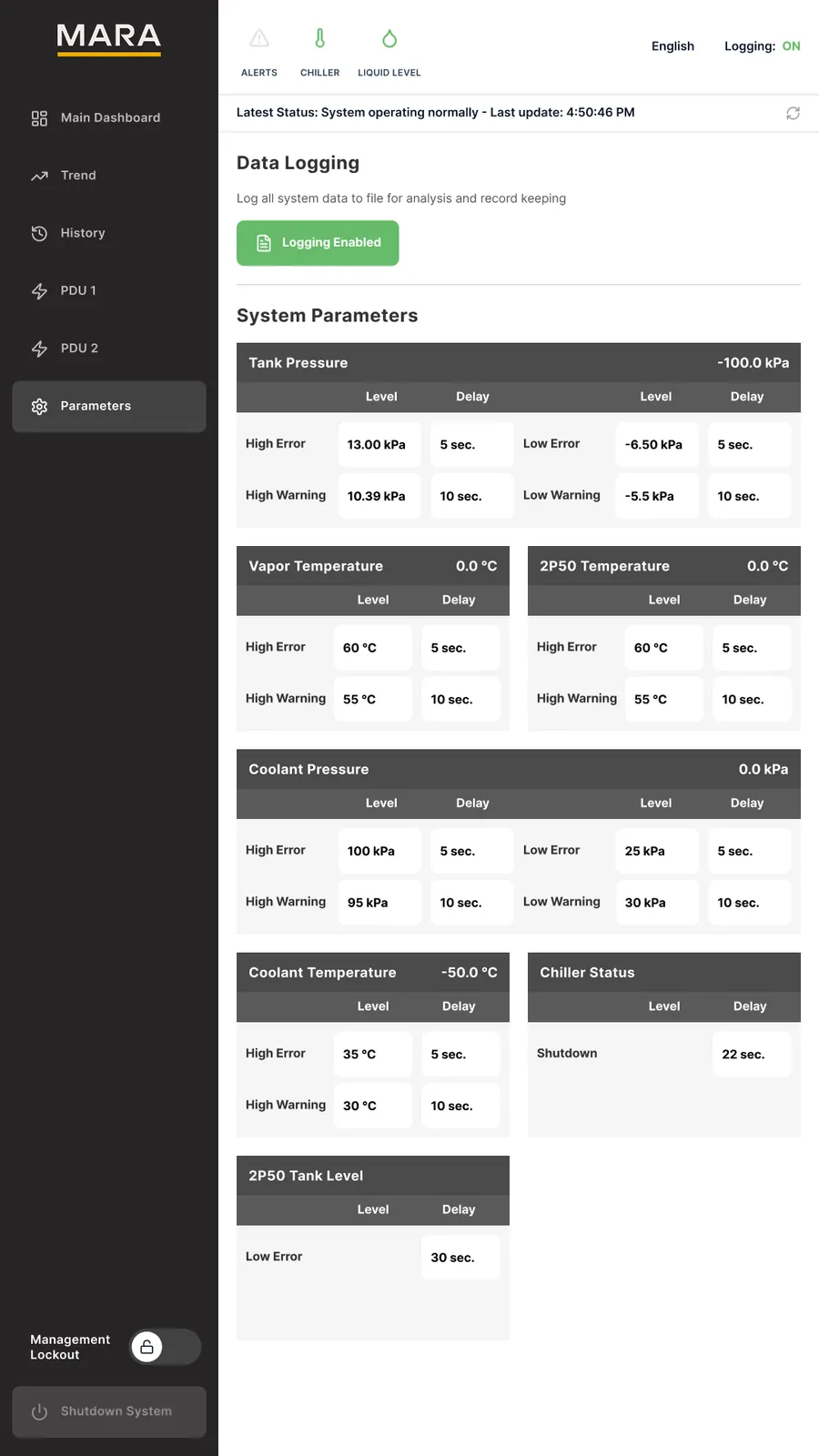
Later in the Mercury project, I was asked to create an interface for the prototype.
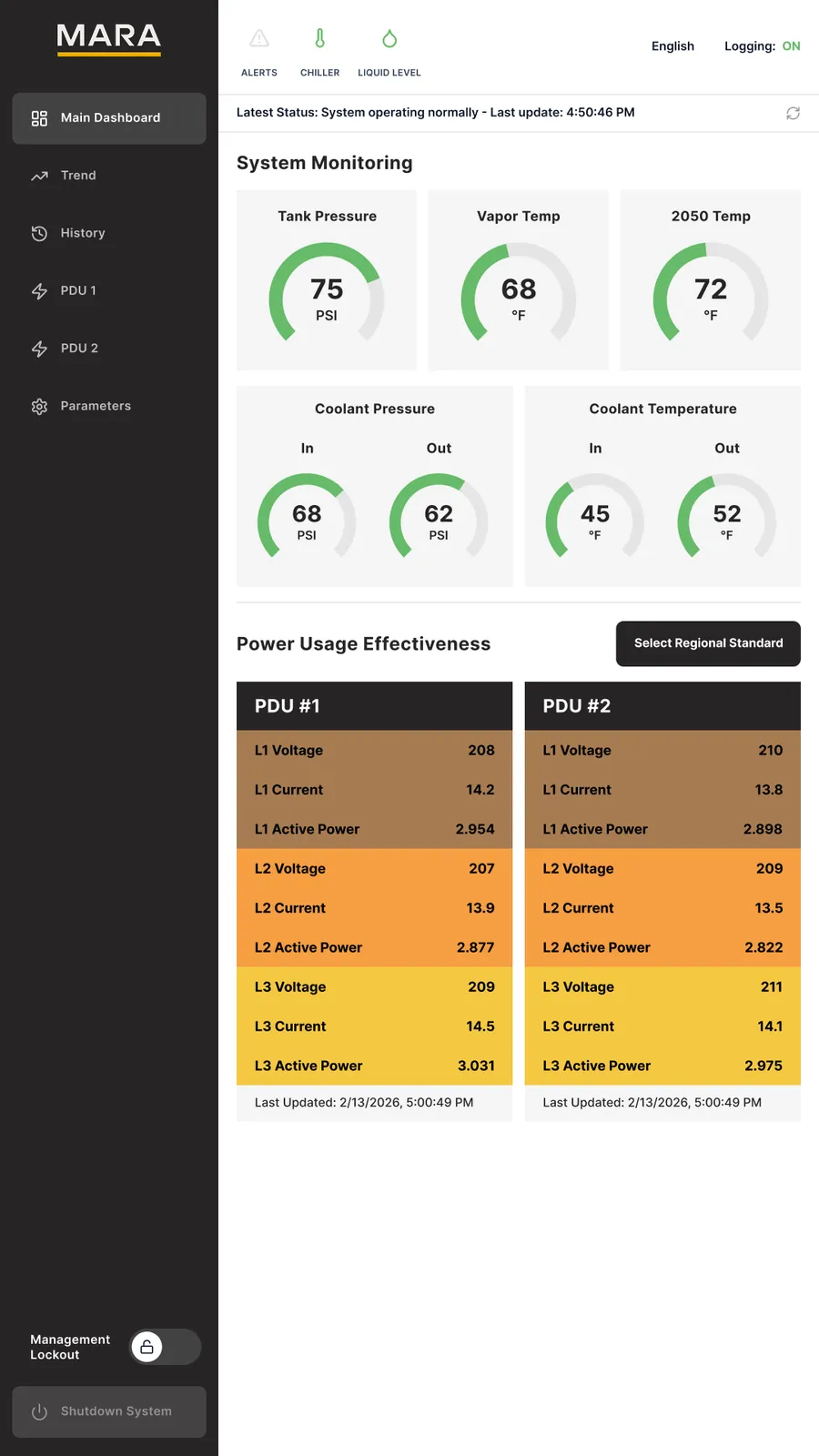
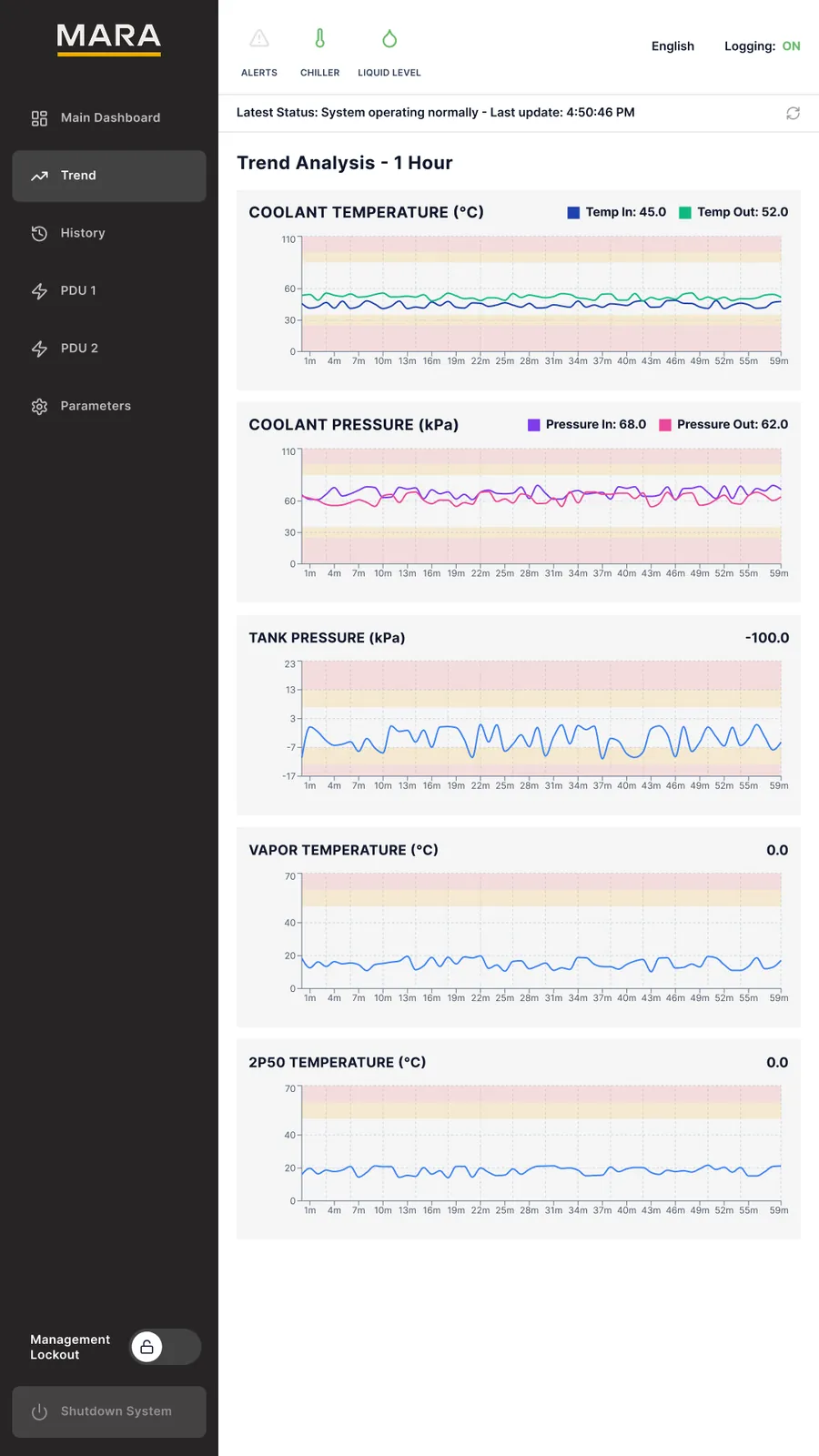
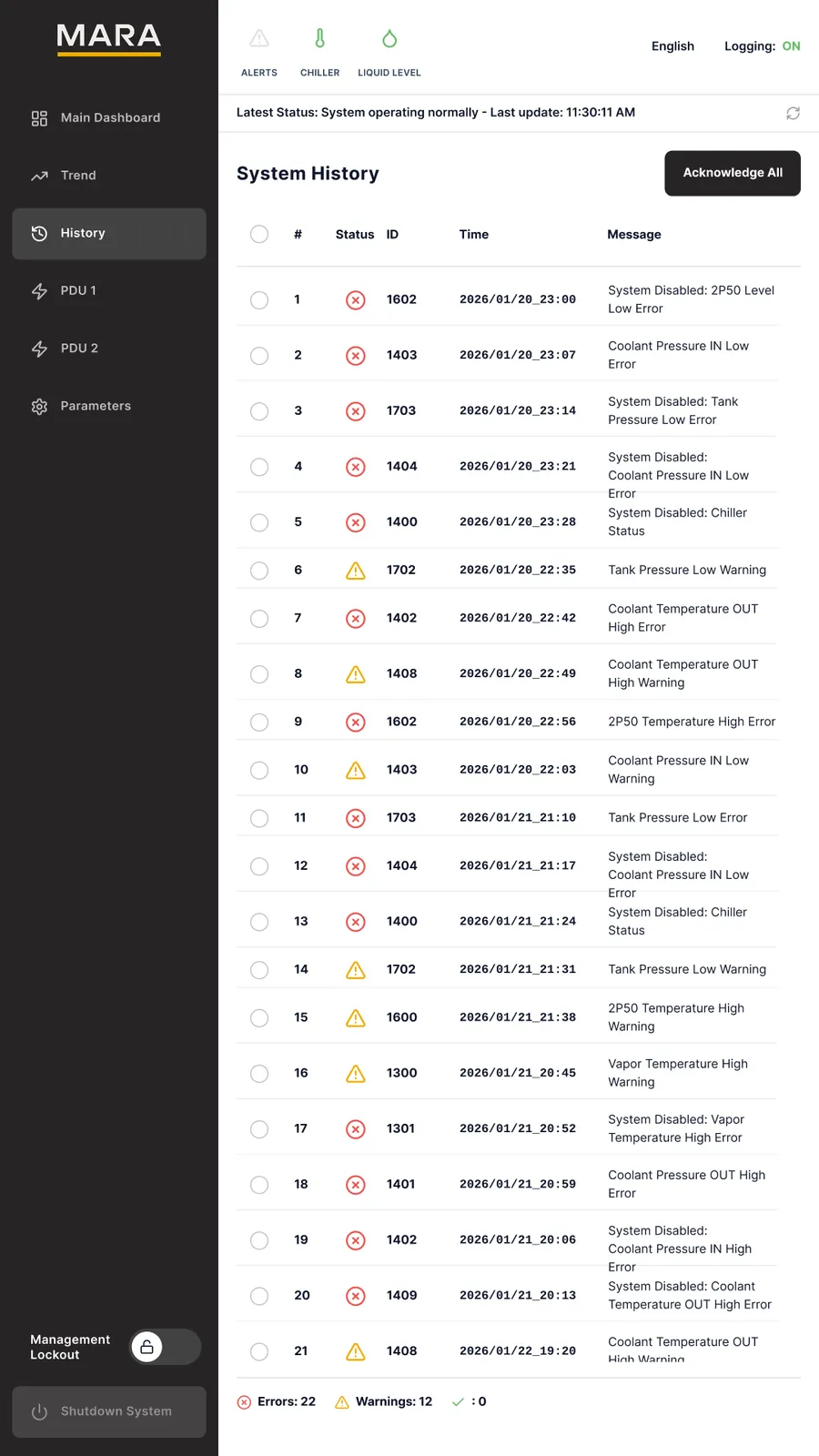
Technicians ran the tank from a screen on the side of the machine. The most important task was making sure that the interface was very obvious when something was off, and where on the machine it is so the technician can fix it.
The initial engineering pass was visually difficult to navigate since a lot of the colors were competing for hierarchy. I focused on simplifying and bringing hierarchy to the colors, adding intuitive interaction points, and also making sure everything was on brand.
The production screen was smaller than the prototype screen, so the layout had to survive both sizes. I designed the full flow and carried it through implementation with engineering.
Brand system
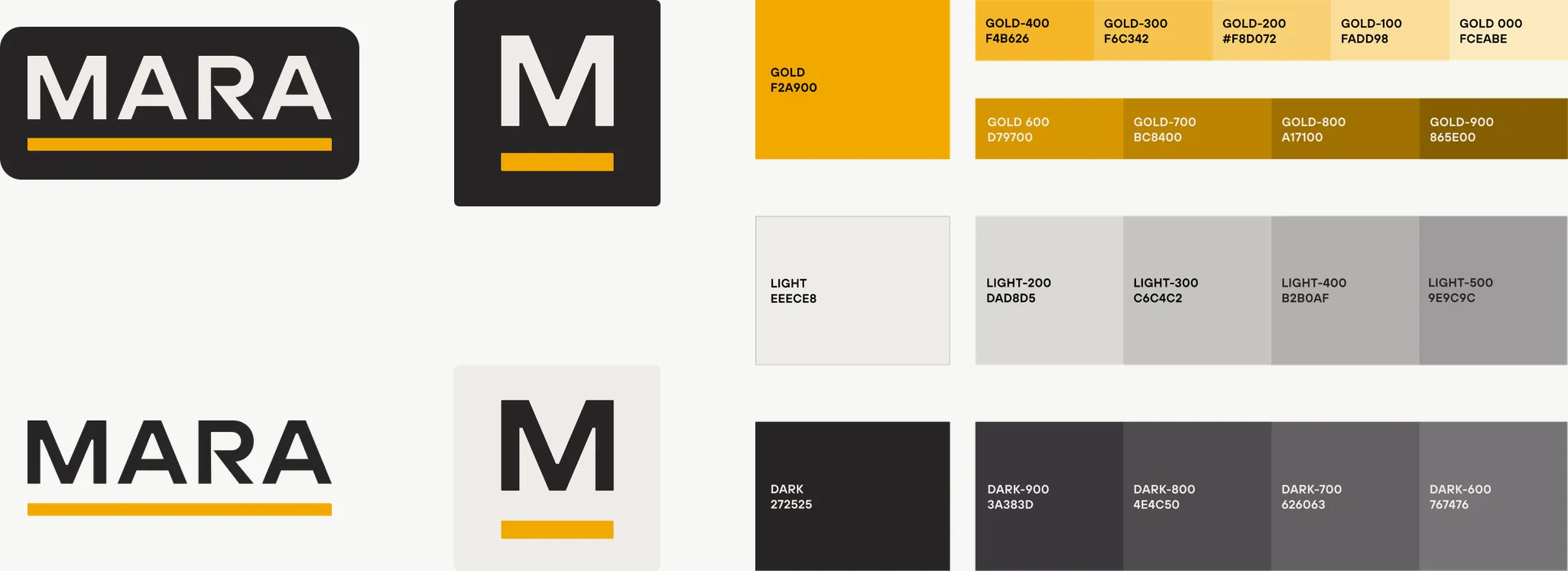
I co-led the design system with another senior designer and the VP of Design. We built out color, type, icons, components, etc., and any materials that the company needed such as powerpoints, flyers, internal docs, conference merch, and the machines themselves. I also supported the main website redesign with user research, information architecture, and early concepts.
Team
The design team went through two leadership changes in two years. When my first boss left, another senior designer and I ran the team ourselves: contractors, Jira, inbound requests, all on top of our own work. When the new creative director came in, he would set the vision, and I would make sure things got done in the team. With my teammate we project-managed a seven person team and mentored two interns.
Foundation and booth
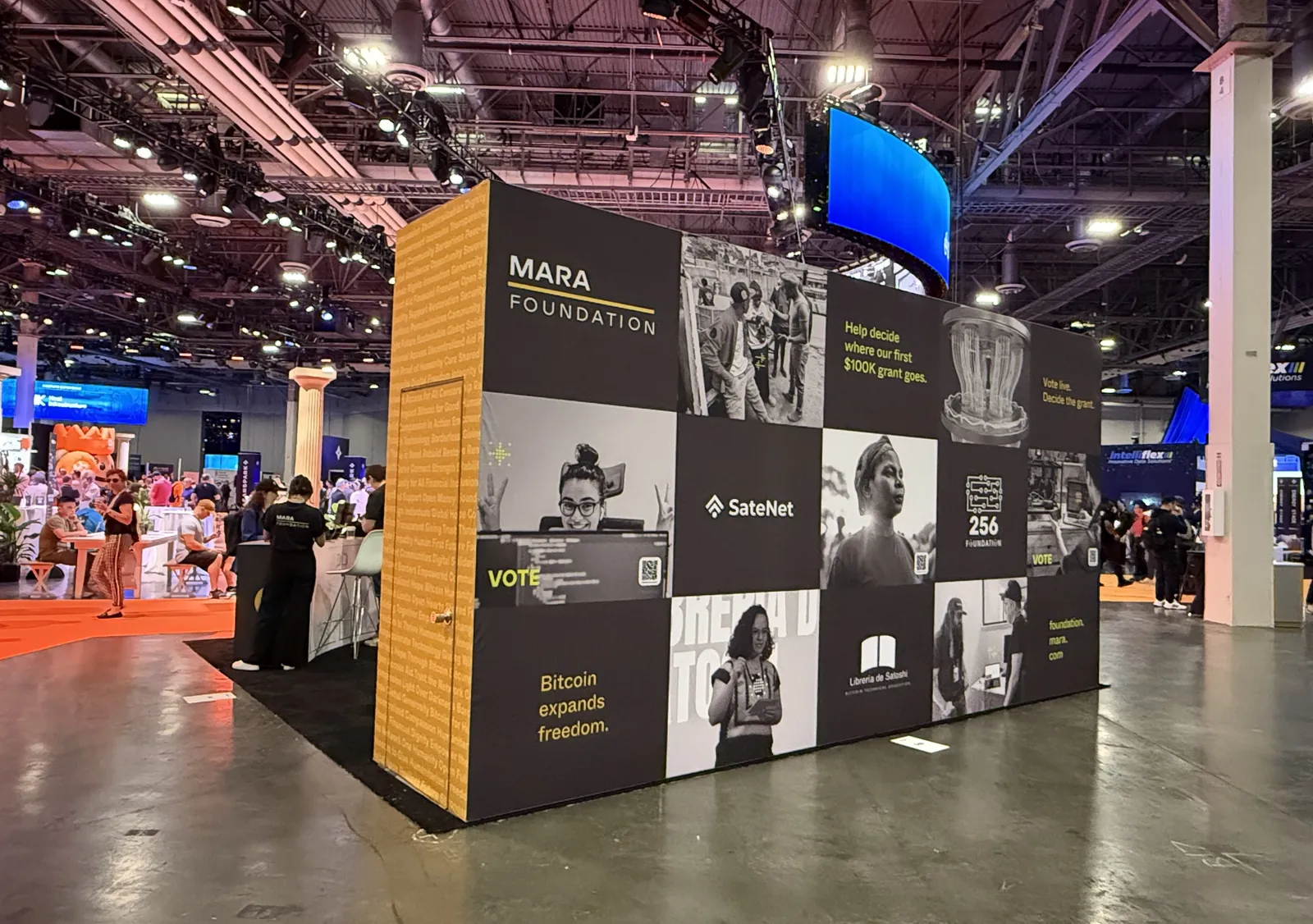
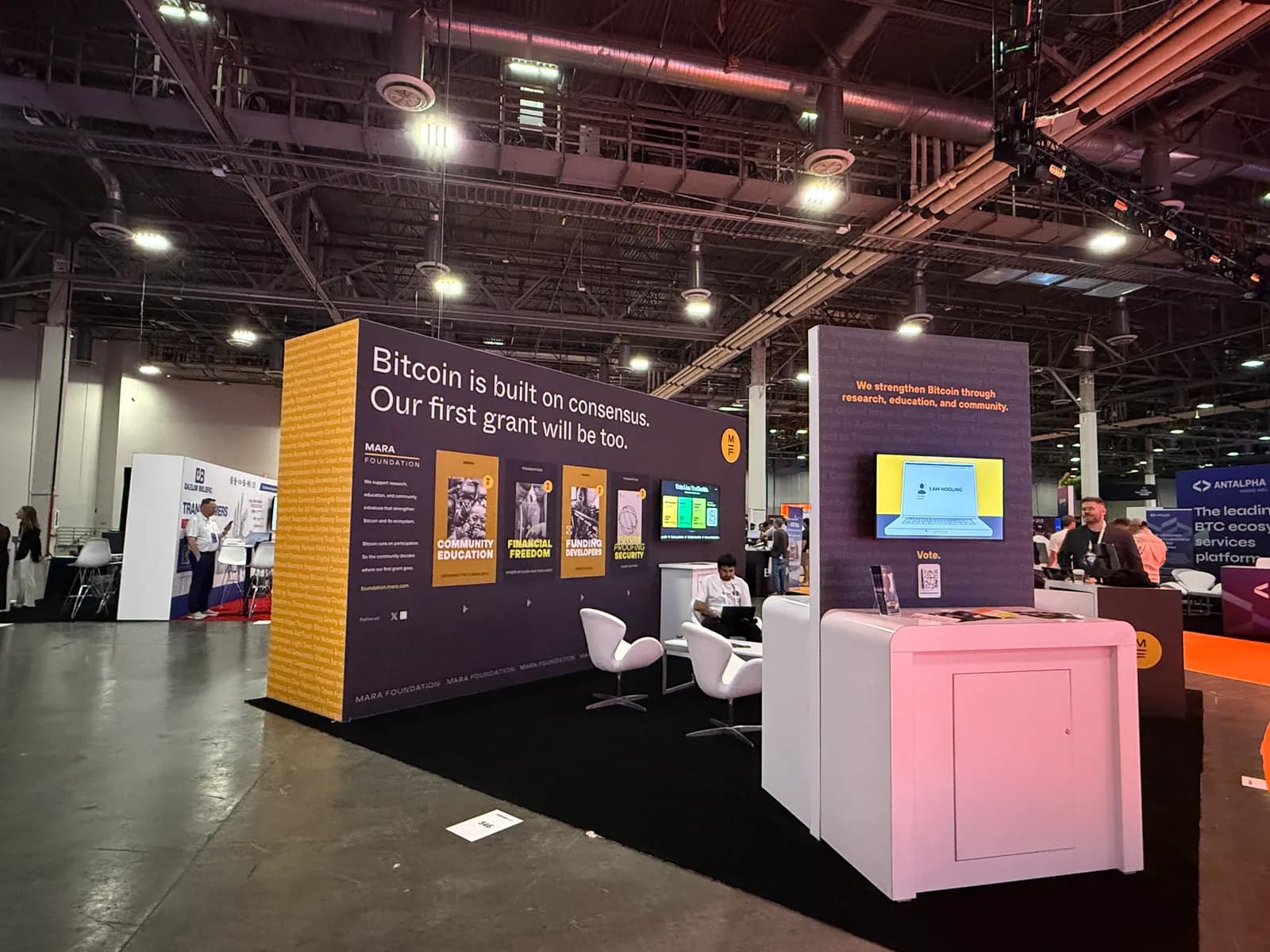
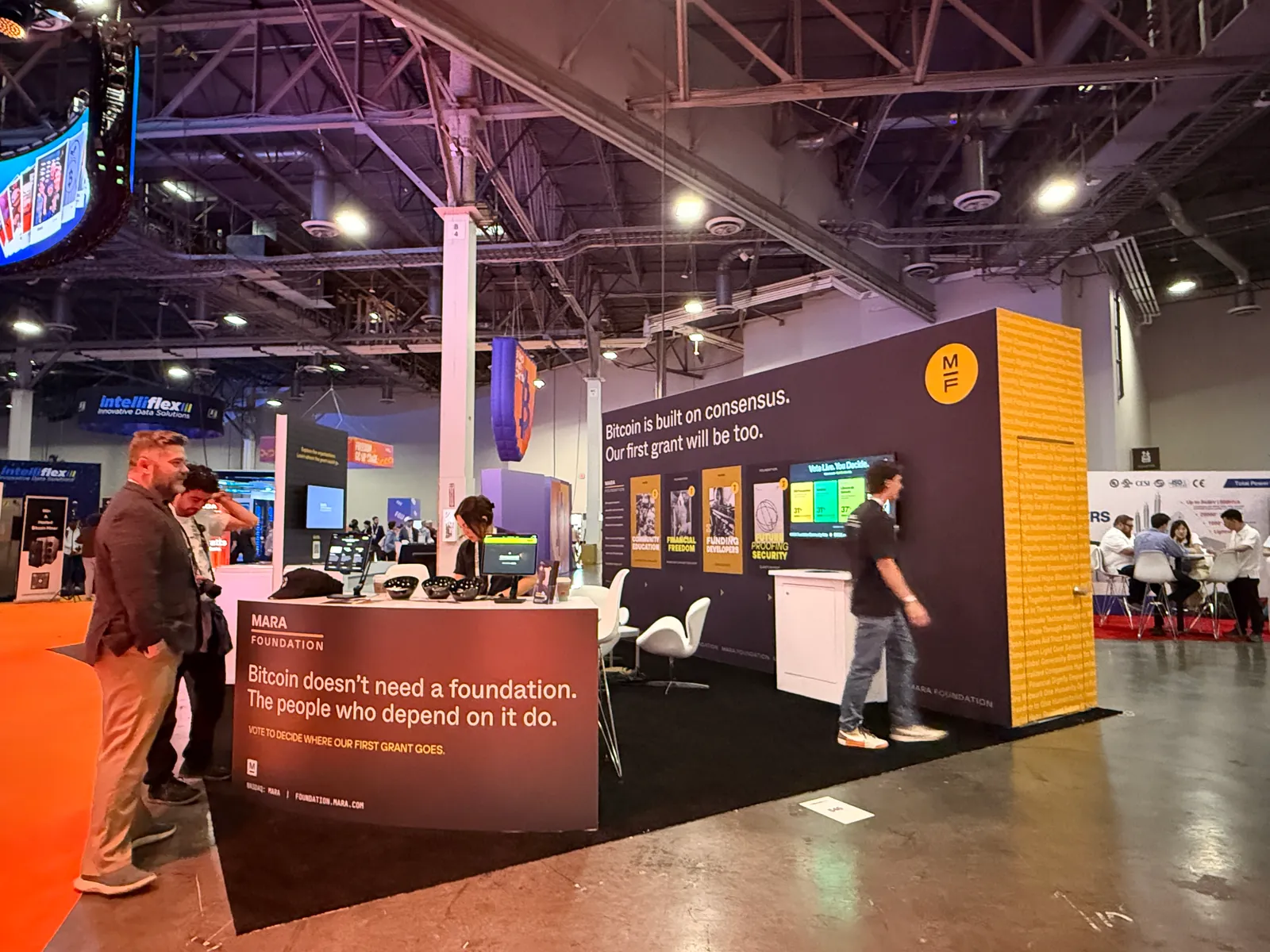
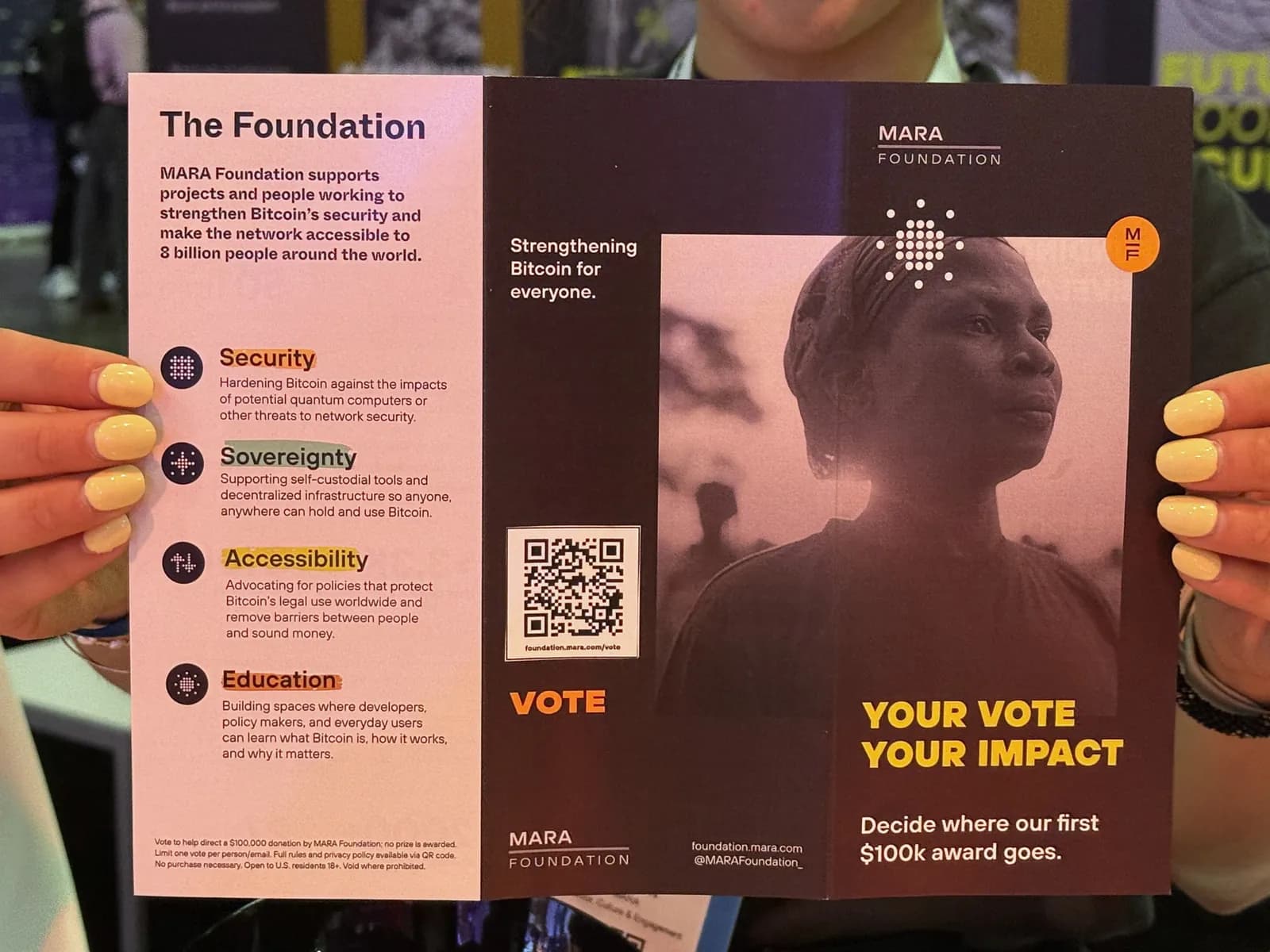
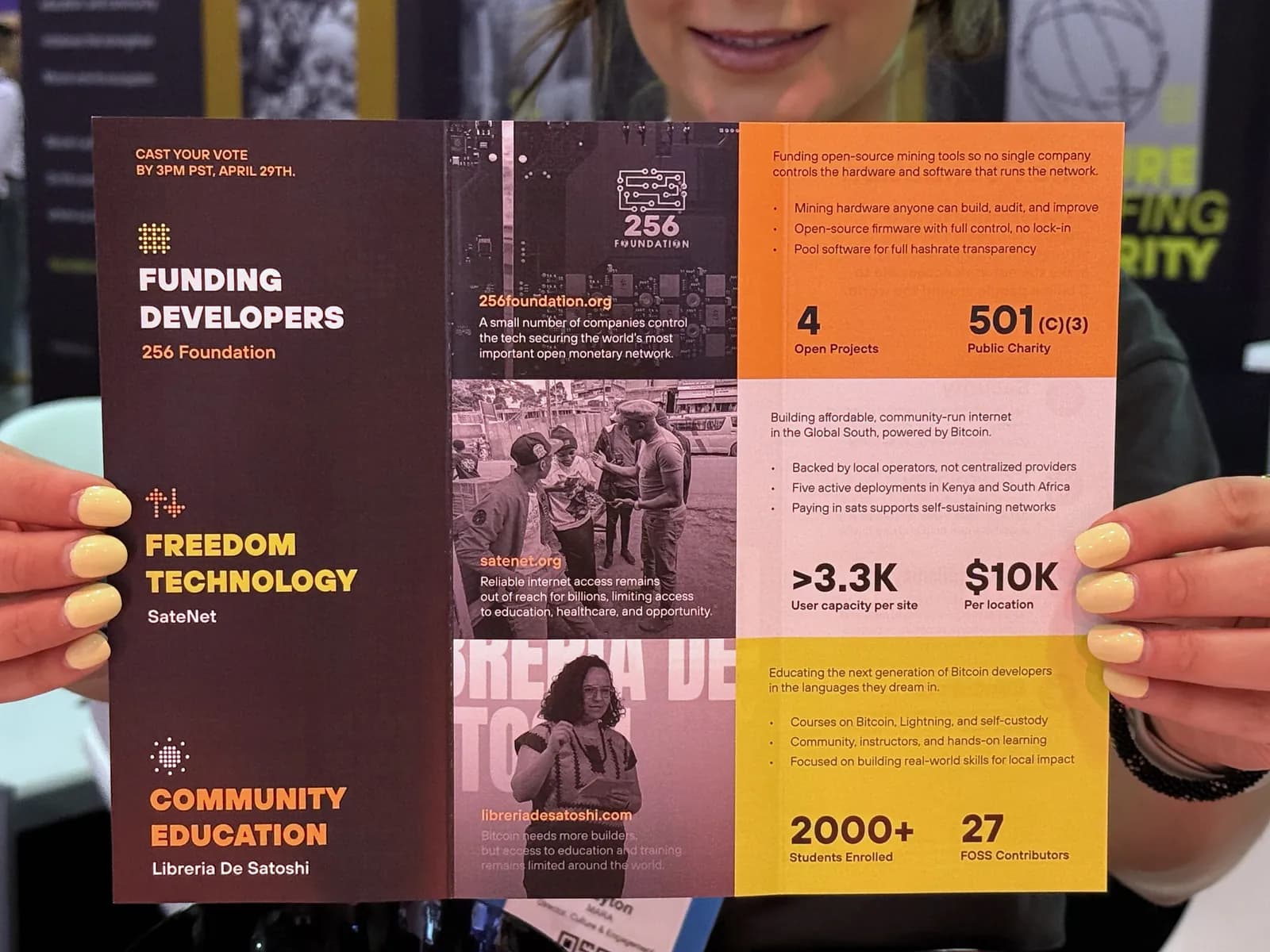
The MARA Foundation launched at Bitcoin 2026. I worked with the Senior Creative Director on the identity, brochure, website concepts, and conference booth. The hard part was alignment. The foundation lead and the CEO had different visions, and my creative director was stuck in the middle. I pushed the decision up to the CEO since he had the final say, got direction, and designed most of it from there.
Final reflections
A collection of thoughts and challenges.
Leadership on the design team was constantly changing, but through those changes I learned that keeping a team productive doesn't require an org chart to say you're in charge.
Design and engineering were completely isolated from each other at this company. The fastest way to earn the engineers' trust was showing them that I respected their expertise, and I wasn't just there to throw them ideas that couldn't be implemented. Things ran smoothly after that.
I had to stop treating hardware, interface, and brand as separate jobs. Learning how all three functioned made me the person who could jump into any fire and help.